Turning Dispair into Hope

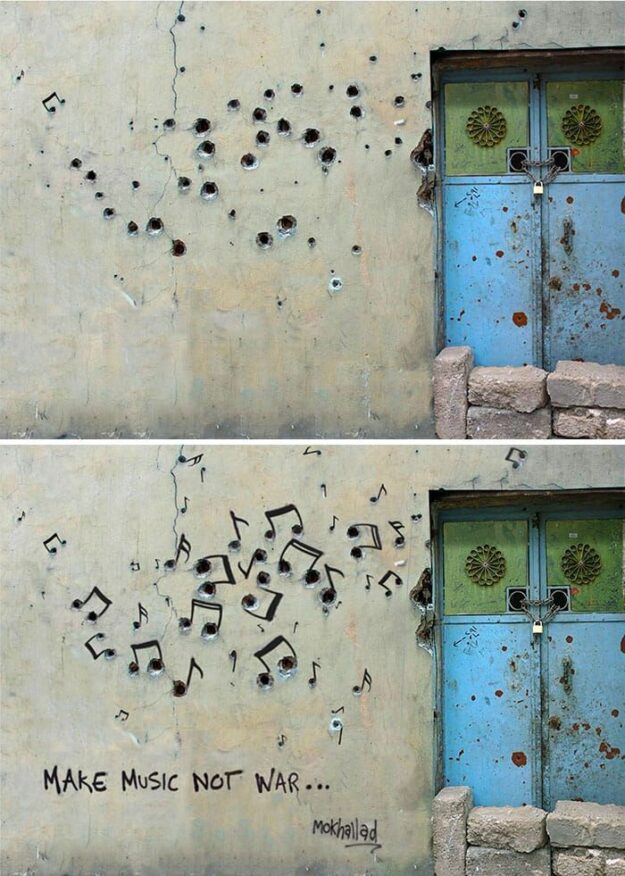
Iraqi artist Mokhallad Habib uses scars of warfare to create symbols of peace. A powerful tactic that reminds the one to reclaim slurs or hate messages, often used by LGBTQI campaigns. The reactions to these images are overwhelmingly positive, although the tactic can also be called out as naive. This shows the power of sincerity…

“Today I Am a Truck Driver”: An LGBT Activist Campaign in Support of the Truck Drivers’ Protest

Between 2015 and 2017, LGBT activists in Russia joined forces to defend the rights of an unlikely group of essential workers….truck drivers! In doing so,  they challenged stereotypes and helped reshape the narrative surrounding LGBT activism. This case offers a lesson in creative campaigning as described by campaign co-organiser Alexey Sergeev. Context: Truck drivers protest…

Participatory & Experiential Campaigning

Participatory & Experiential Campaigning Experiential and participatory tactics invite people to feel, act and reflect. From in-person live acting to Virtual Reality, creating moments for observation, conversation and participation, engages people in a personal way. These tactics help campaigns break out of their bubbles, make values more tangible, and create emotional connections that last beyond…

Bypassing censorship

Bypassing censorship Creative strategies to get your message heard despite bans. Across the globe, governments are increasingly using censorship, online and offline, to control political dissent and civil disobedience, especially when it comes to LGBTI rights. In these hostile contexts, where speaking out can lead to surveillance, violence, or criminalisation, standard forms of protest can…

Reclaiming the negative

Reclaiming the negative: when to confront, when to reframe, and how to shift public understanding When faced with harmful speech, for instance, slurs or dehumanising language, our instinct is often to respond directly, to call out false accusations and set the record straight.  Sometimes this works; other times, it backfires.  Research shows our brains are…