For many people, not least LGBTQI+ people themselves, same-sex attraction and gender diversity are things of the modern age.
LGBTQI+ acceptance has even become an indicator of how “modern” a society is. With this assumption in mind, several campaigns focus on how “new” sexual and gender diversity is. This is particularly true for campaigns targeting what is known to marketing as “early adopters,” or the group of people most likely to be attracted by new products and ideas.
This doesn’t come as a surprise, as queer identities were hardly documented in the past. Even when they were recorded, as was the case by the Magnus Hirschfeld Institute in 1930s Berlin, very few documents have escaped destruction.
Although presenting LGBTQI+ identities as something “new” might be a good tactic to use when addressing young people, or when creating distance from historically negative representations and stereotypes, it tends to reinforce the preconceived idea that same-sex attraction and gender non-conformity are by-products of the modern age, and hence are not “natural.” In the Global South and East, anti-LGBTQI+ campaigners exploit this narrative to claim that LGBTQI+ identities are “imported from the West.”
To balance this out, many campaigns have taken a retrospective view. LGBT History Month, for example, is celebrated in various countries on various dates and has become an excellent opportunity for LGBTIQI+ groups to reach out to schools and universities.
These campaigns have several entry points:
Highlighting same-sex attraction and gender variance from the past
This is a powerful tool to reclaim the “authenticity” of our identities. It generally creates a strong impact on LGBTQI+ people themselves, as it links us to a heritage that we are often denied. This image, which dates back 120 years and is yet strikingly similar to a contemporary social media post, is a good illustration of this point.
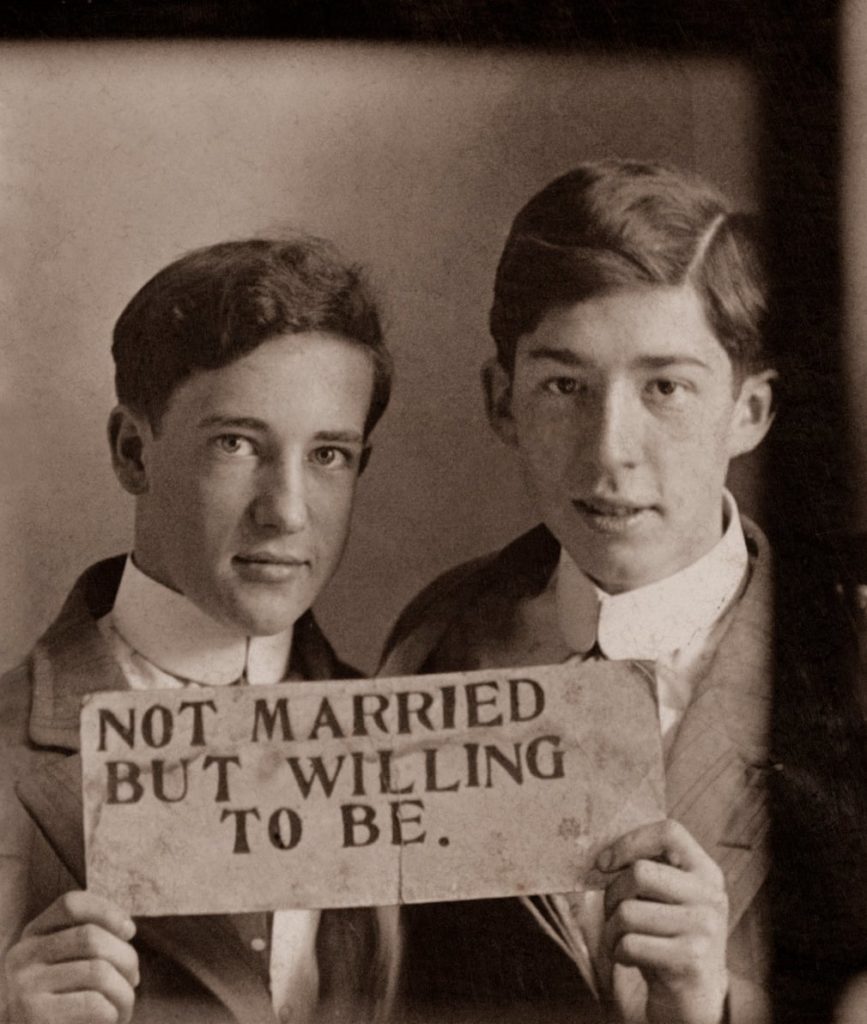
Loving: A Photographic History of Men in Love 1850s–1950s is a unique collection of photographs depicting romantic love between men in various contexts. The book is published by 5 Continents. © Nini-Treadwell Collection.
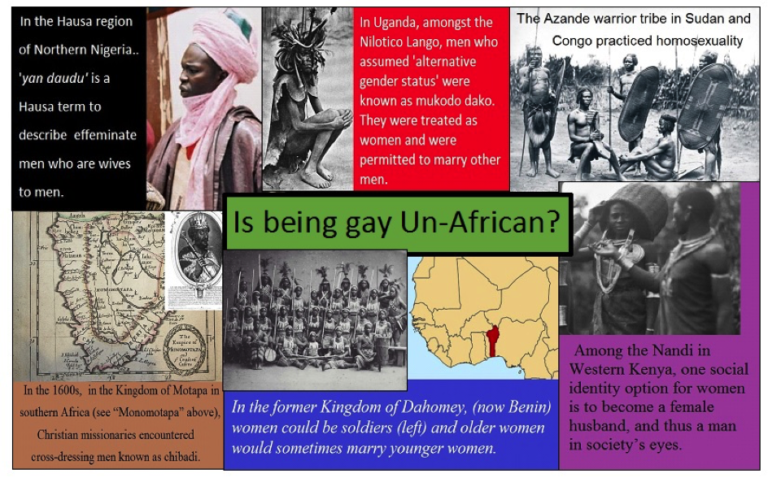
In other contexts, this approach has also been used to “shock” people out of their preconceived ideas, such as this South African “Pop Up For Diversity” campaign, which highlighted historical African forms of same-sex conduct and gender non-conformity.
In formerly colonized societies, pre-colonial gender and sexual diversity has been reclaimed by LGBTQ+ activists to counter narratives that being queer is contrary to tradition. We see this in the case of the babaylan in the Philippines, or the figure of the pre-colonial female priestess who has become an icon for LGBTQI+ organizing in a predominantly Catholic nation.
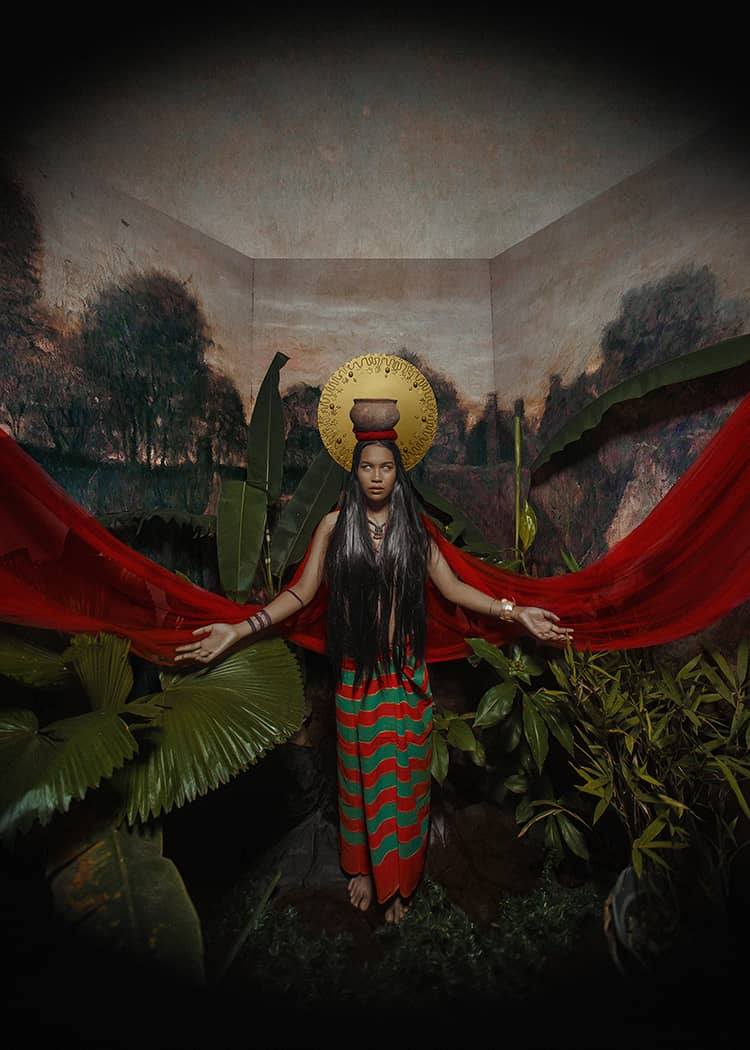
© Renz Botero, Natu Xantino, and Ram Botero
In hostile societies, this can be a powerful narrative for LGBTQI+ people to stake their place in society. In Indonesia, the Bissu figure of the Bugis culture embodies all genders. Today, in the face of harsh violence against LGBTQI+ people in the country, with one province punishing homosexuality by death, some Bissu are carrying this tradition.

© Asrul Nur Iman
Documenting the history of the LGBTQI+ movement
This is aimed mainly at the community itself, to build stronger awareness of how things have evolved towards the current situation. These campaigns are important to pay tribute, and also to raise momentum for activism and to inspire a new generation.
Examples of such initiatives are abundant. Interesting formats include:
Documentaries and feature films, such as the many films we feature in our special article on how LGBTQI+ activism has been put on screen.

.
.
.
.
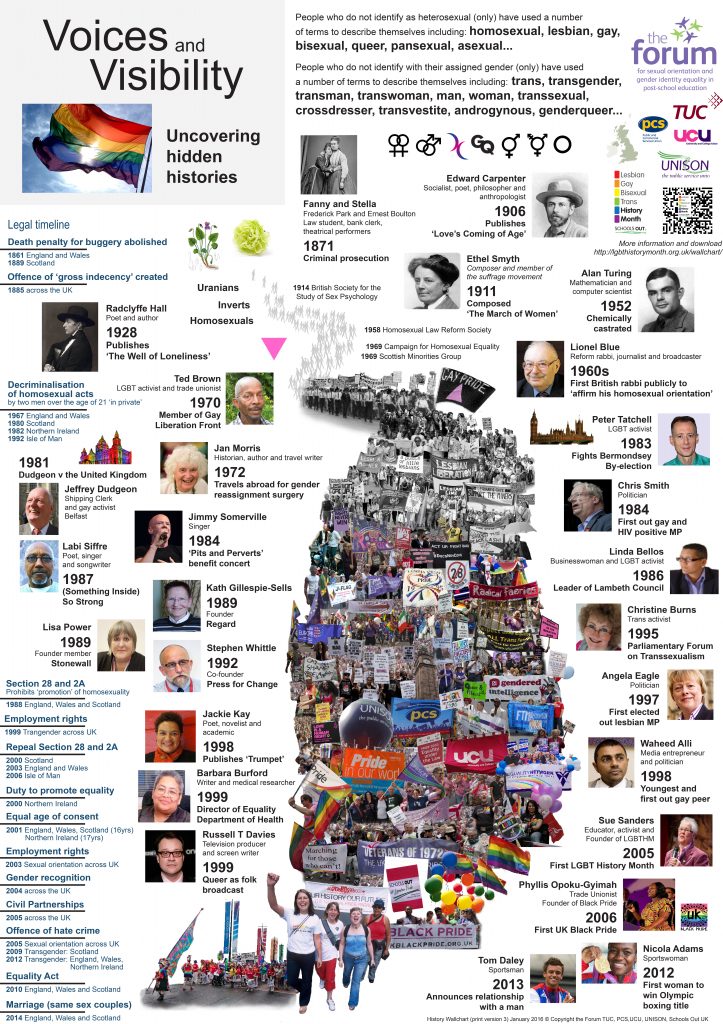
Timeline Posters, such as this one from the UK’s Schools Out program
Highlighting the contribution of LGBTQI+ people to history
This aims to boost the sense of self-worth of LGBTQI+ people by showing how much their peers have contributed to society. It also helps to connect to the wider public by inviting a sense of acknowledgement, if not gratitude or admiration.
From Alexander the Great, some 2,300 years ago, to Oscar Wilde, a century ago, there are, of course, lots of historical figures whose homosexuality or gender non-conformity is well known and remains part of their legacy.
While it is crucial to bring these important figures back into the public eye, it creates a greater impact to focus on people whose sexual orientation is largely unknown, like Shakespeare, Leonardo DaVinci, Tchaikovsky, or the more contemporary Billie Holiday. This approach helps to deconstruct popular culture.
At the crossroads between the distant and the more recent past lies the presentation of historic heroes who were obliterated by science because of their sexual orientation or gender identity. Alan Turing is, of course, the perfect example of this.

LGBTQI+ people in history
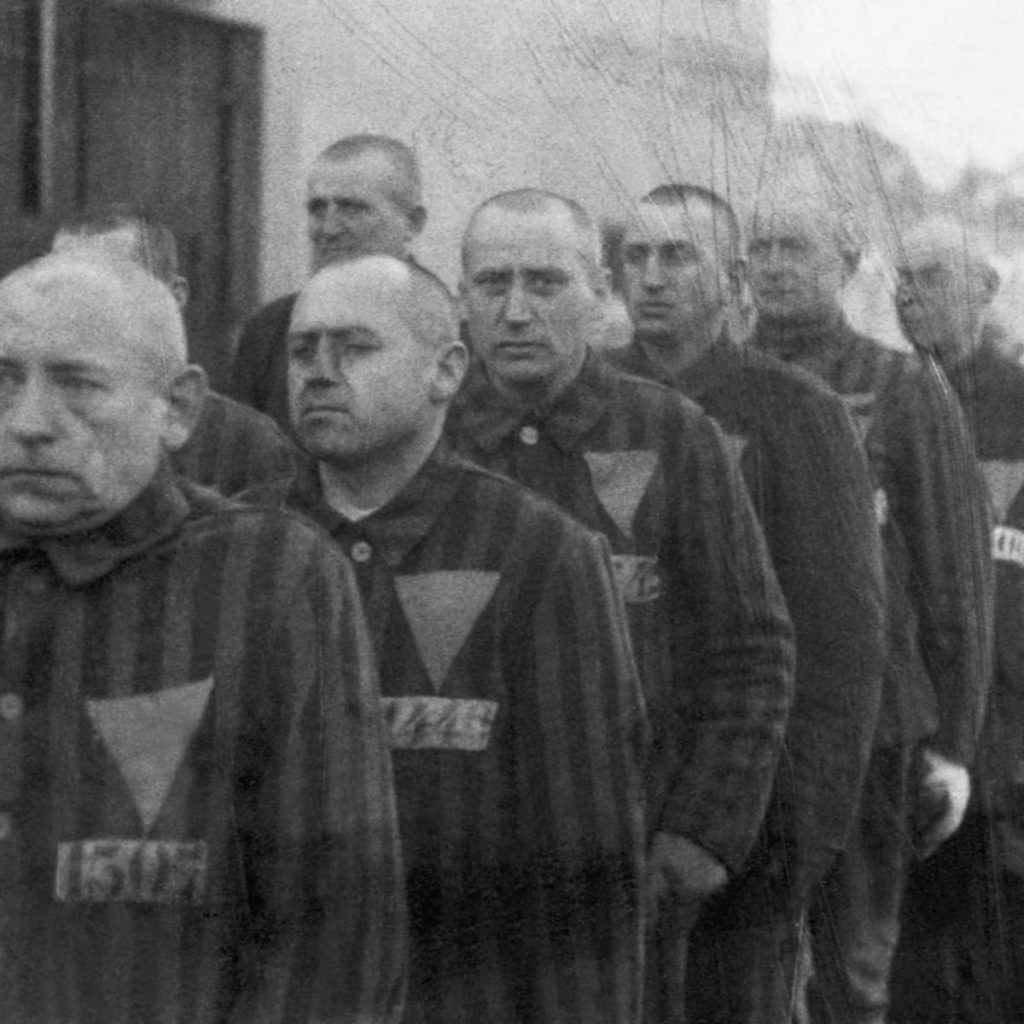
A related, albeit significantly different angle is how LGBTQI+ people have gone through history as a group. Again, this helps to connect LGBTQI+ people to the wider society. However, there are a few cases where this has already been sufficiently documented, such as the targeting of LGBTQI+ people by fascist regimes in the 1930s and 40s. On January 27 each year, the commemorations for Holocaust victims provide an opportunity to challenge the denials and distortions of the persecution of LGBTQI+ people, like in this exhibition by the US Holocaust Memorial Museum.
.
.
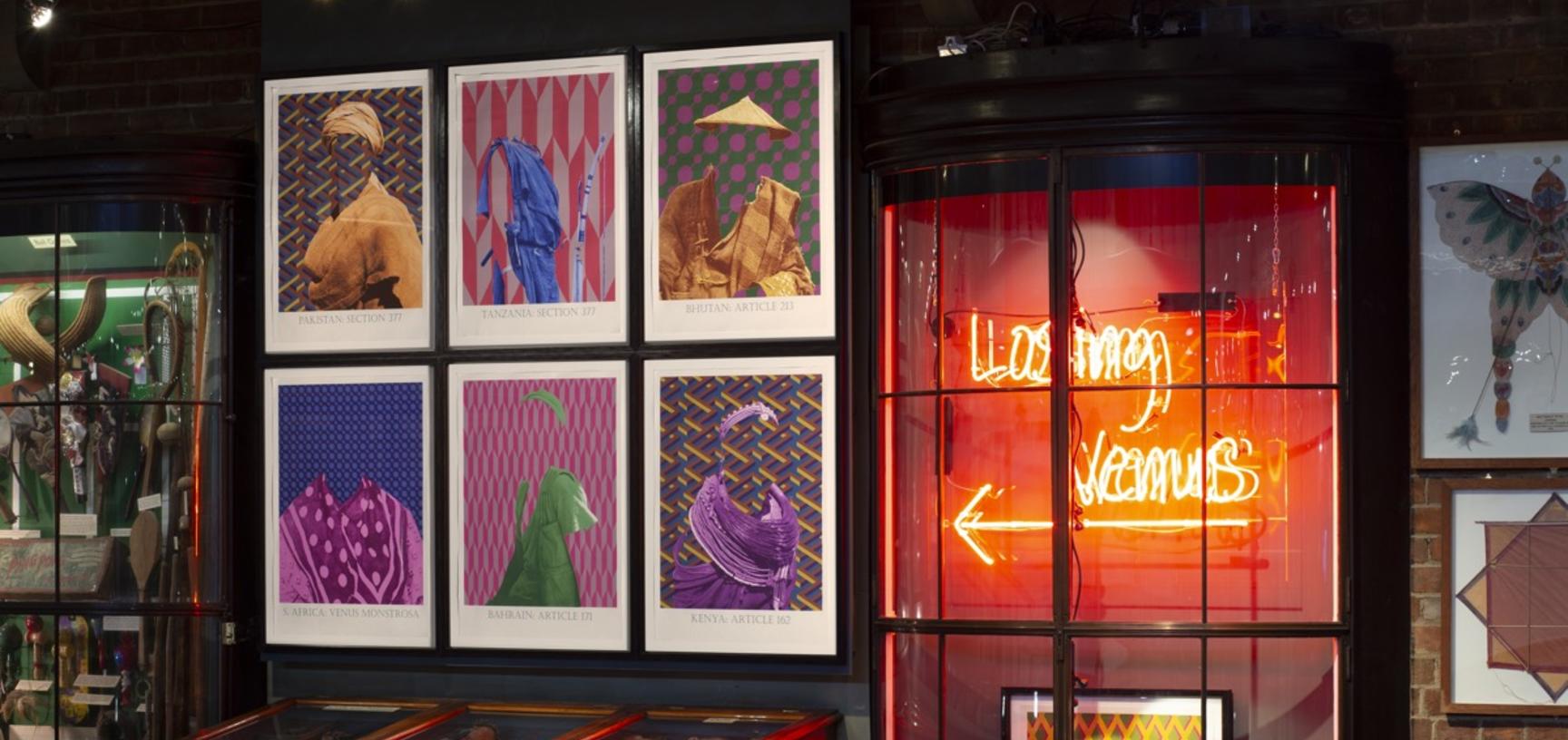
A key strategy of LGBTQI+ groups in countries formerly colonized by European powers has been to highlight the colonial origins of laws criminalizing same-sex attraction and gender diversity. For example, from the Caribbean and sub-Saharan Africa to Asia, Great Britain has left a deadly legacy for LGBTQI+ persons through the enactment of criminalizing provisions in penal codes.
In this art installation, titled Losing Venus, artist Matt Smith displays this legacy out in the open to “place contemporary discrimination, which is still affecting the lives of many around the world, at the heart of one of the cultural centres of the country which exported it, examining their impact through the lens of sexual identity and gender fluidity.”
© William Pearce
In this article, Leena Patel of Oxfam further explains the critical need for LGBTQI+ movements to understand and grapple with the impacts of colonialism.
Back to the future
And what if the focus on the past was to challenge its legacy, more than celebrate it?
We’re leaving you with this commercial featuring queer icon Lil Nas X rapping, “To create the future, you must defy the logic of the past.”