From the release of political prisoners to political change, both large and small, letter-writing campaigns have also been a solid staple for social activists across the world. Although modern technology may have replaced the written letter with emails and social media, the tactics within these campaigns still remain largely the same. Today, we give you SEVEN…
The article below, reproduce from Wagingnonviolence.org opens interesting discussions on how to use legal breach for campaigning purposes. Applied to LGBTI, this tactics of explicitly and visibly transgressing the law you want to see abolished has been used quite extensively in times and places where anti-LGBTI laws were still on the books but not enforced.…
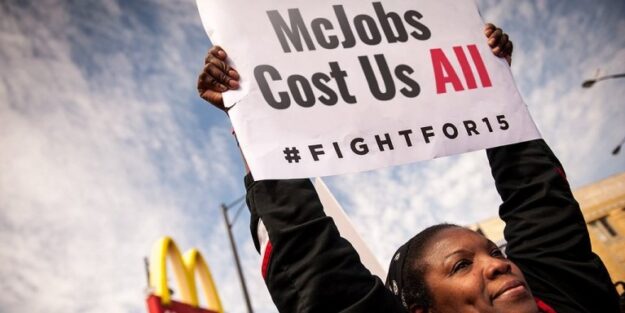
Fight for $15: Directed-network campaigning in action A well coordinated campaign is opening up grassroots power and crossing movement boundaries by Tom Liacas on September 8, 2016 American unions have been losing members and influence for over 30 years so it’s notable when a labor campaign changes wage policies across the U.S. and forces corporate giants such as Walmart and McDonald’sto bend to its demands.…
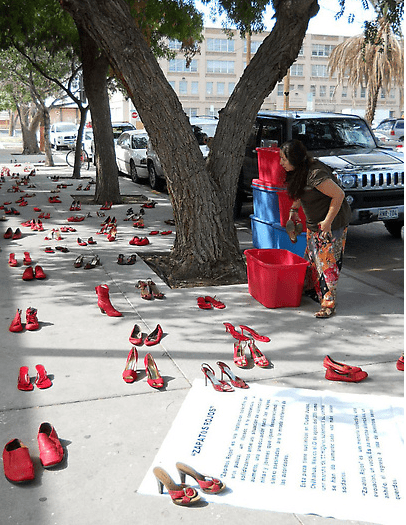
Striking examples of powerful campaigns to get inspiration from ! Curated by PIXEL While we at The Pixel Project always seek to emphasise the positive, the fact remains that, in many places in the world, activists working to end Violence Against Women (VAW) face considerable obstacles: denial of the problem; cultural taboos that prevent open…
This article provides useful insights into shaming as a strategy to influence States. While it does not particularly focus on public campaigning and in spite of its exclusive focus on the EU States and EU institutions, it still provides useful food for thought on this strategy, which is often used without the background research to…
Understanding theories of oppression and marginalization can help you link your campaign to those of others fighting for different causes but against the same systems, structures and intricate complexities of how power seeks to divide and rule us. This can enable us to build broad, emancipatory and inclusive movements fighting for the empowerment of everyone…
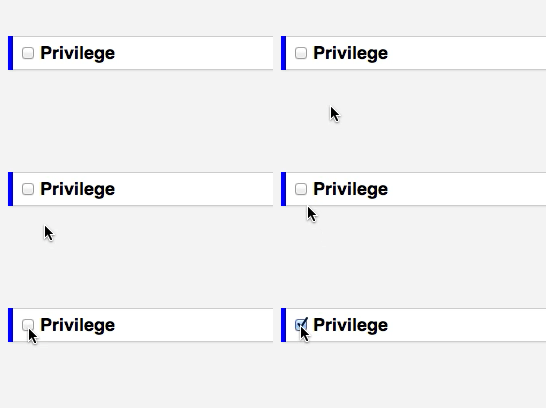
Check your Privilege: What does it mean when someone remarks on your ‘privilege’ or asks you to ‘check your privilege’? Privilege in this instance refers to the multiple ways that institutions and society automatically favor you as a result of your race, class, gender, sexuality and other classifications based on systems of oppression. It is…
Homonationalism Jasbir Puar’s book Terrorist Assemblages: Homonationalism in Queer Times introduces readers to the notion of homonationalism which is a coupling of Lisa Duggan’s Homonormativity. Homonationalism however differs in that it is poststructural critique of nationalism and develops a conceptual framework to analyze and understand how “acceptance” and “tolerance” of lesbians and gay men becomes…
Homonormativity Homonormativity was first coined by Lisa Duggan in her work The New Homonormativity: The Sexual Politics of Neoliberalism where she describes “the new homonormativity – it is a politics that does not contest dominant heteronormative assumptions and institutions [such as gay marriage or the right to serve openly in the military] – but upholds…
We use cookies to ensure that we give you the best experience on our website. If you continue to use this site we will assume that you are happy with it.