Stereotypes fuel discrimination and can make daily life much more complicated for minority groups. In Australia, an LGBT youth group turned stereotypes and prejudice on their head and made it really clear just how ludicrous some of the questions they have been asked about their lives are.
It’s a tactic focused on addressing discriminatory behaviour and the microaggressions LGBT people face every day. Each sign highlights just how absurd many comments are and makes the audience rethink how they might speak and behave in the future.

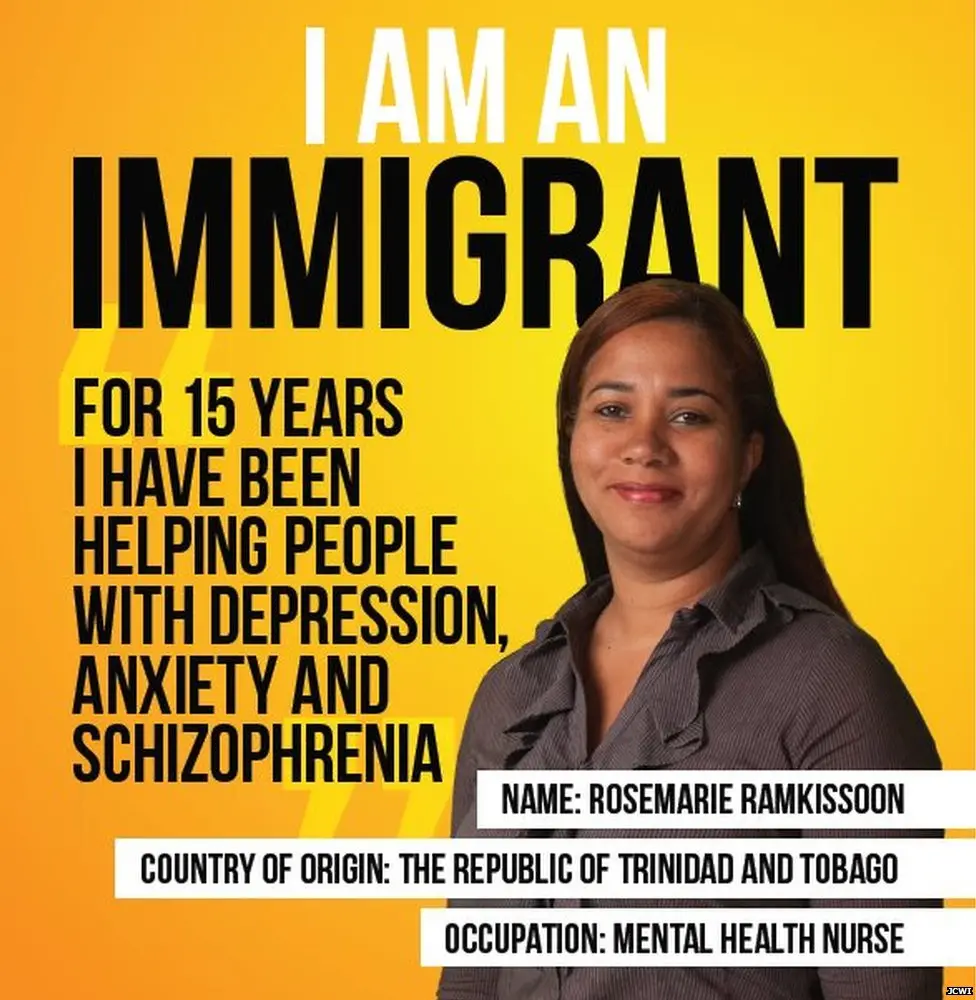
I am an immigrant
This simple message that immigrants contribute to society is presented in a matter-of-fact but personal way through posters. There are no specific policy messages or campaign asks – it’s much more about presenting one person to another and making people rethink assumptions and stereotypes about immigrants. This example shows how, sometimes, keeping things simple and personal can be really effective.
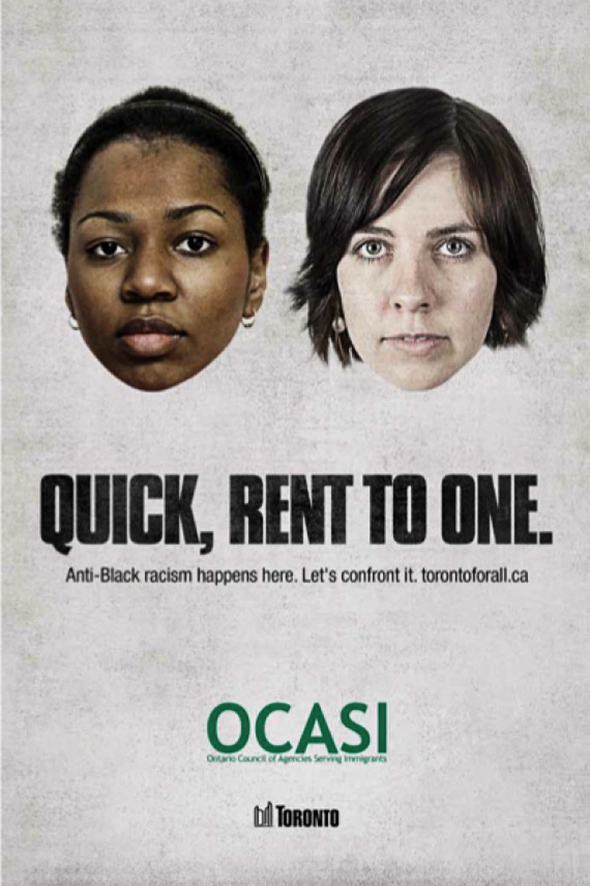
Fighting Racism in Toronto
This poster campaign shocks the audience into recognising our conscious or unconscious bias. Even if that’s not what a person takes away from the poster, it’s a powerful reminder of everyday discrimination against people due to race or ethnicity.
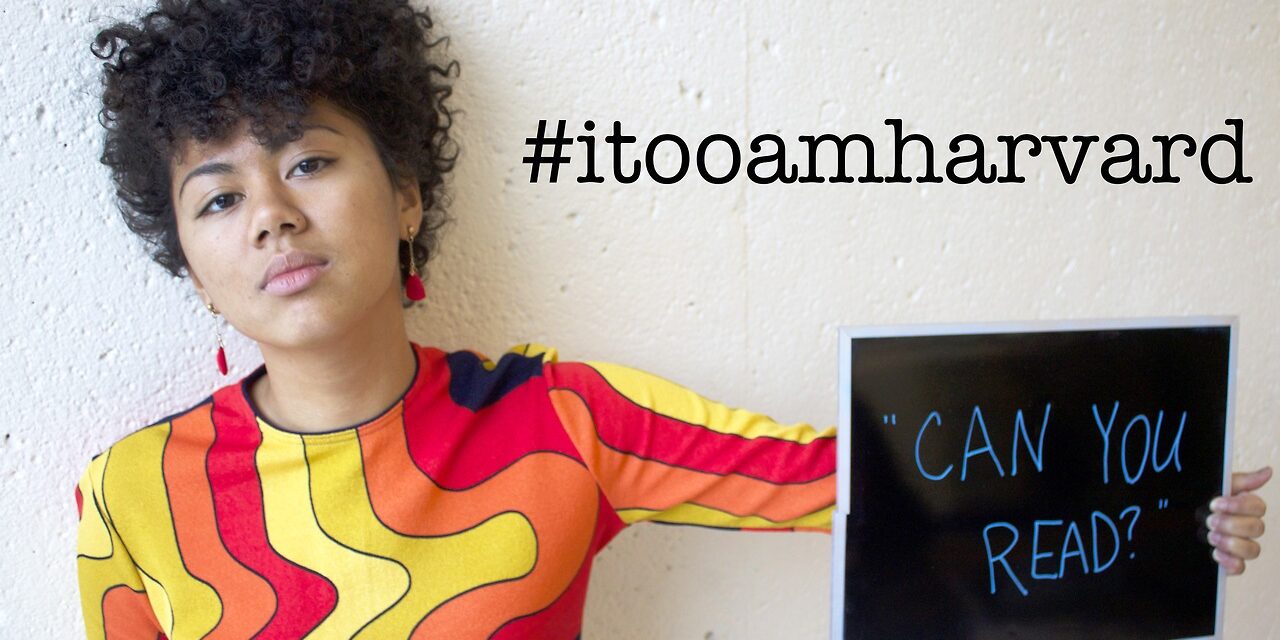
I, Too, Am Harvard

I, Too, Am Harvard was a collection of photos on Tumblr to illustrate the personal experiences of black students at Harvard University. The multimedia project resulted from interviews with over 60 Harvard undergraduate students holding signs and bearing messages about their experiences as black students of Harvard.
The campaign and concept spread to other universities, including the University of Oxford, the University of Cambridge, and McGill University, and eventually reached over 32 universities worldwide. Minority students presented their experiences at their universities.
The purpose of this campaign is to simply put a human face and voice to discrimination. Hopefully, by presenting a more personal statement, especially to those who illustrate the emotional weight and mental impacts of those daily effects, it will help others truly realize that, apart from “I, Too, Am Harvard,” the most critical aspect of the campaign is:
“I, Too, Am a Human Being; Deserving of His/Her Rights and Respect, Equally as You.”

#HeIsNotASuspect

Another anti-racism campaign was launched in response to the not guilty verdict for George Zimmerman, who fatally shot Trayvon Martin, a 17-year-old African-American boy.
Launched by Essence magazine, a monthly magazine for African-American women, #HeIsNotASuspect was organized as a counter-stereotyping social media campaign to stop racial profiling.
“We launched our first-ever counter-stereotyping social media campaign to stop racial profiling, #HeIsNotASuspect. We were determined to alter mindsets and present positive images that prove our Black boys and men are so much more than a stereotype.”
The magazine also invited their readers — mothers, sisters, daughters, and grandmothers — the African-American women (who are often the unacknowledged victims of violence against African-American men) to post images of the men in their families/lives accompanied with a few words about them and the hashtag, #HeIsNotASuspect across various social media platforms, especially Twitter and Instagram.
Like the “I, Too, Am Harvard” campaign, this action also humanizes a minority racial group in America and raises awareness of the most deadly impact of racial stereotyping —the loss of lives of African-American men.