Under this theme, the Icelandic organization Samtökin ’78 used the occasion of IDAHOT 2014 to question the candidates in the upcoming elections about their stance on LGBTIQ and human rights issues. Activists organized a panel discussion where candidates discussed their perspectives on queer issues, touching on initiatives to protect the human rights of LGBTIQ people. Putting electoral candidates on the spot can help make LGBTIQ equality a key electoral issue and raise political awareness among LGBTIQ people and allies.
In the context of the European Union (EU) elections, LGBTIQ organizations in various parts of Europe addressed the importance of including the situation of LGBTIQ people in Europe and worldwide in the political agenda of political parties and pushed for commitments to human rights based on sexual orientation and gender identity.
We have picked out some examples below to give you a few ideas on how to promote and advocate for LGBTIQ people’s human rights during elections.
Europe
In 2014, ILGA Europe launched the campaign Come Out – European Elections 2014, targeting and engaging voters, as well as Members of the European Parliament (MEPs). The campaign sought to advocate for LGBTIQ equality and human rights, strengthen the EU’s position in the struggle against homophobic and transphobic backlash in Europe, and raise awareness of the importance of voting to defend LGBTIQ people’s human rights.
The organization, together with its members, drew up a pledge, which they presented to the candidates standing for the European elections for their endorsement.

They also reached out to their members and the general public to encourage them to inform themselves about the political agenda of the candidates. More importantly, they are also asking voters to engage with the candidates who have not yet signed the pledge and ask them why they have not done so. This campaign is also part of efforts to raise awareness of the elections and the candidates’ positions on LGBTIQ issues among friends, family, and colleagues.
Leading up to the elections, ILGA Europe held a panel discussion with representatives of various political parties, where activists, journalists, and members of the public were able to ask questions and discuss their demands with the politicians. Finally, ILGA Europe released a video in which MEPs, activists, and opinion leaders stated their vision on LGBTI human rights for the upcoming European elections.
Bulgaria
In Bulgaria, Bilitis and the Bulgarian Helsinki Committee organized a roundtable discussion with an MEP candidate from Reformatorski Block (Reform Block Coalition) and Genady Kondarev, one of the founders of Zelenite Political Party (the Greens), on a broad range of issues concerning LGBTIQ people. Other candidates sent letters of commitment to the issues.
Greece
In Greece, Athens Pride and Colour Youth – LGBTQ Community of Athens launched ʺVote For Your Rights,ʺ an awareness-raising campaign mobilizing supporters to send in their statements, which were then carried on placards around the historic city center of Athens on May 17, 2014.
OUTSIDE EUROPE
Japan
Ahead of the 2024 national elections, Marriage For All Japan developed Pride Vision, a camera tool that allows voters to identify candidates who support marriage equality by pointing their smartphone cameras at election materials.

© Pride Vision
Philippines
Various groups in the country mobilized for LGBTIQ inclusion in political discourse ahead of the 2025 midterm elections. To this end, PANTAY signed a memorandum of understanding with the Commission of Elections to collaborate on the Rainbow Agenda project. Community groups also launched a community agenda detailing demands for LGBTIQ people’s human rights, such as the General Equality LGBTIQ Community Agenda of Babaylanes and other members of the Free To Be Me Community of Action, and the comprehensive seven-point LGBTQ+ Agenda of Bahaghari and Rainbow Rights Philippines.

© Babaylanes, Inc.
Brazil
VoteLGBT is an organization that has been working to promote the political participation and representation of LGBTIQ people in the country since 2014. They endorse LGBTIQ candidates, conduct research on LGBTIQ people, and produce videos and campaigns to amplify the LGBTIQ voice in politics. In the 2024 municipal elections, they recorded 3,099 LGBTIQ candidacies, and 225 LGBTIQ leaders elected in 190 cities across the country.
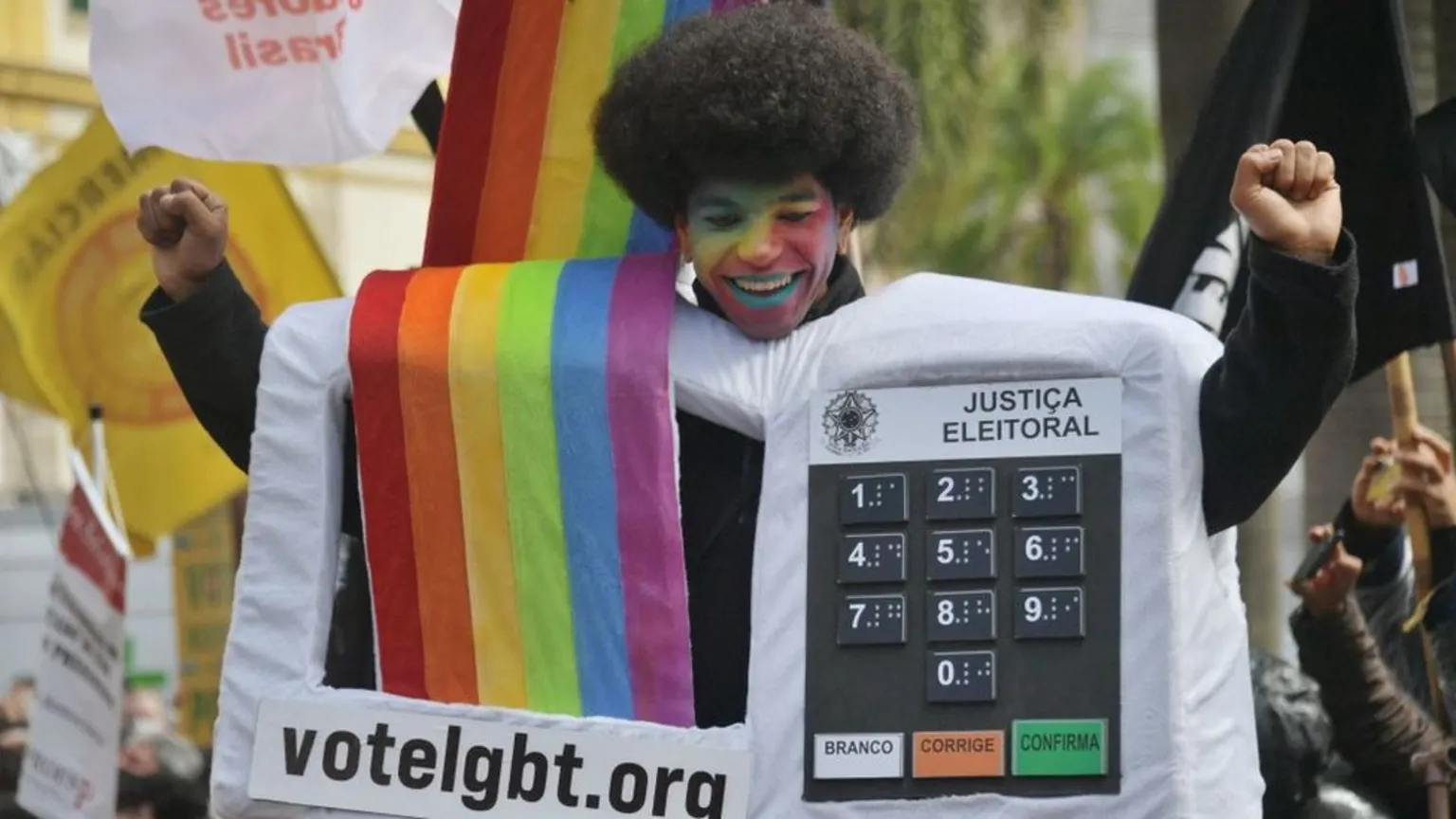
© Getty Images
Chile
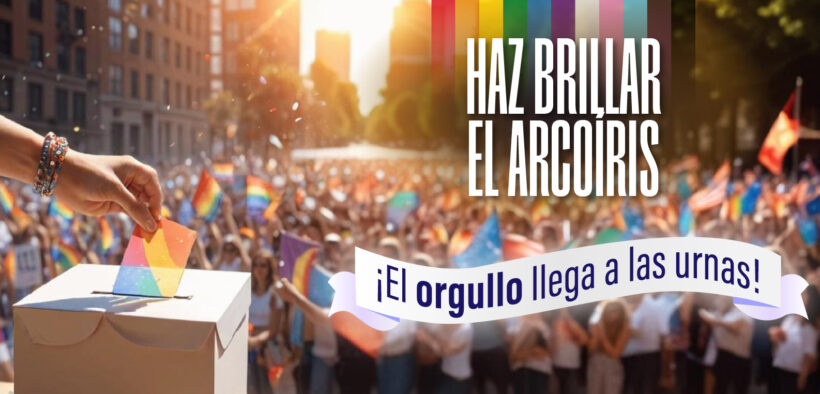
LGBTIQ group Movilh has been leading the Comuna Diversa campaign to demand that political candidates commit to LGBTIQ equality. Under the slogan, “Make the rainbow shine, Pride comes to the polls,” they approached candidates for local positions in 2024 to sign a letter committing themselves to “actions, campaigns, or public policies that elevate narratives in favor of the rights of LGBTIQ+ people, especially children and adolescents, and counteract hate speech, as well as contribute, at all times and in all places, to the improvement and appreciation of democracy.”
© Movilh
Colombia
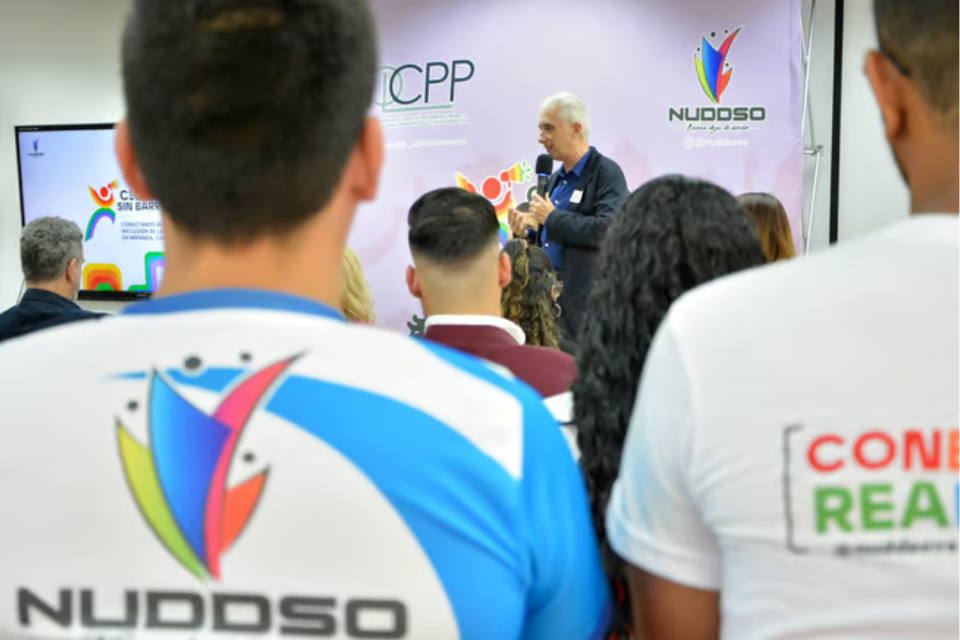
The political demands of LGBTIQ people for the 2024 presidential elections were captured in the Voto Diverso survey. 78.93% of the 1,500 respondents stated that the LGBTIQ+ population is currently not reflected in public policies and demand progress in guaranteeing LGBTIQ equality. This strengthened the evidence base for the importance of political action for LGBTIQ people’s rights.
© Talcual Digital