Dance to move people into action
When we think about campaigning, we tend to picture petitions, protests, and policy papers. But dance and movement are practical tools of resistance and action. Long before hashtags and lobbying toolkits, many communities used rhythm to send messages, bring people together and transform public spaces into places fighting for collective liberation.
Tacticts to explore
Get a live band or busk
Draw the attention of the public with live music! Not only is this a great way to put on a show, it is also supportive of community building with local musicians, and can be an opportunity to engage LGBTI artists who might not often get a platform.
You can go big or small – if getting a live band is not an option, you can still organise a street performance with a small group of people to draw attention and raise funds. All you need is a sound system, a public space, and a well-rehearsed act, plus signs or leaflets to share information. Be sure to check local rules, as many cities require permits.
Learn from flash mobs
Flash mobs are short, unexpected public performances coordinated in advance to grab attention and raise awareness. Originally designed in response to rules against public gatherings, flash mobs had a big moment of popularity across the world. For example, after the Orlando nightclub massacre in 2016, WERK for Peace, a queer grassroots movement, turned dance into a tool for healing and visibility, using movement in the streets to promote peace and solidarity. A flash-mob doesn’t always have to involve dancing. It can also be about interacting with objects. For example, in Ukraine and for many countries, it has become tradition to release rainbow balloons to mark IDAHOBIT. Because they are not usually classified as “protests,” rainbow flash mobs can reduce legal risks. For more ideas, check out some of the past events which have used flash mobs for IDAHOBIT.
Freeze
“Freeze!” is a silent, street-based action where people suddenly halt, creating a striking visual interruption. It is used to raise awareness, using messages or symbols at the end of the freeze to communicate the core of a campaign. Freeze actions can be a great way to debunk stereotypes about LGBTI people – Athens Pride organised ‘JUST LIKE YOU’ a freezing action where people struck ordinary life poses (e.g., brushing teeth, shopping, cooking) while wearing T-shirts in rainbow colours, to show that LGBTI people are exactly like everyone else.
Get inspired
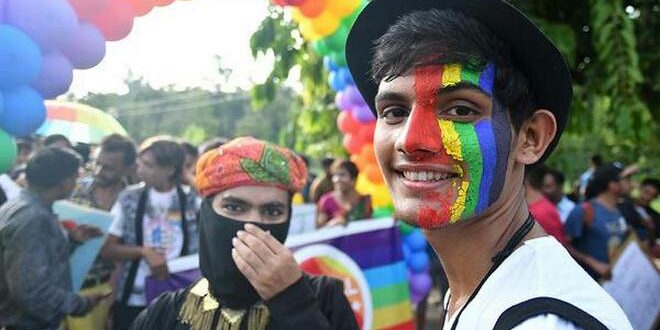
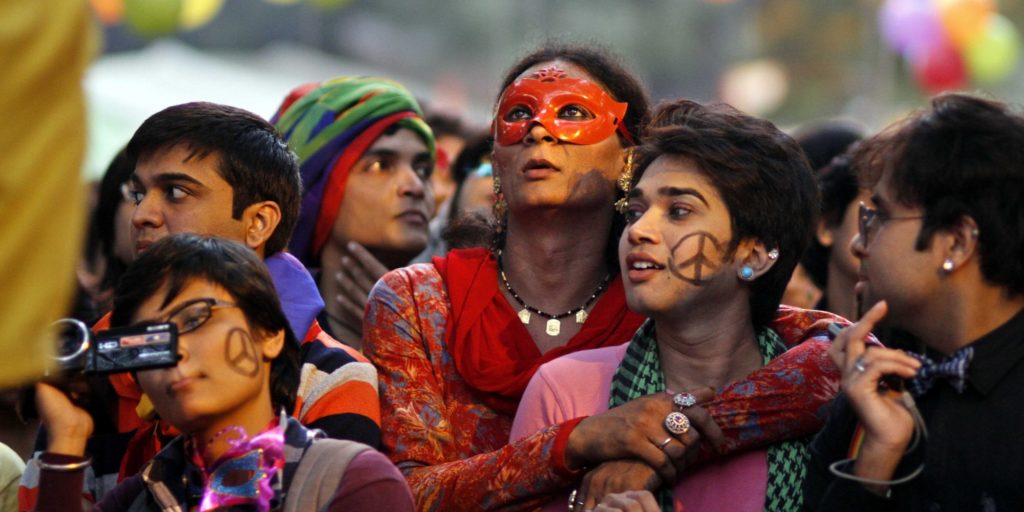
In India, dance has long been used to challenge prejudice and spark dialogue around LGBTI rights. In 1996, Sapphire Creations staged India’s first ballet with same-sex love, provoking outrage but also breaking ground for queer visibility. Over time, the performance toured widely, and by its 2017 revival – expanded to include a lesbian love story – it was met without protest. This is how dance can confront stigma, normalise queer love, and unite audiences across divides.
In Mexico, a feminist collective developed “confetti harassment,” chasing catcallers and showering them with confetti before breaking into song to explain the harm of their behaviour. The tactic embarrasses perpetrators while making bystanders active witnesses, with the aim of avoiding escalation.
Check out Tango Contra la Homofobia and Gay Gordan’s traditional Scottish dance group for some inspiration!
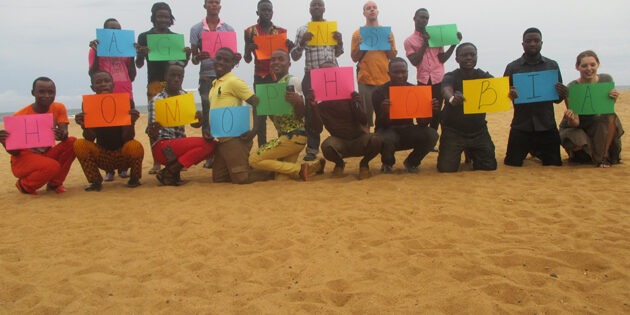
In Liberia, activists created Freedom Festival: a mix of dance, music, art, and photography to offer a safer space for LGBTI people, friends, and allies to gather. Where security is a concern, such festivals can take the form of private or local community actions, allowing people to connect, express themselves, and build acceptance. The initiative not only created a community in a context where few such spaces exist but also opened conversations around discrimination and the need for greater protection of marginalised groups.
Put this strategy into action
- Organization and Safety: Plan ahead and consider any security, permits, budget, and risk management needs. Be aware of protest laws; creative alternatives like flash mobs or dance performances can sidestep restrictions while still making a statement, but they might still need certain permissions depending on the context. Remember to factor in the time, resources, and number of participants you need to design an action that is realistic and impactful, and prepare volunteers for potential hostility through rehearsed debates and team-building exercises. To mitigate risk, keep the location and time secret, invite participants personally, and limit public announcements.
- Make it loud! When you’re planning your performance, you should always make sure you’re doing your best to ensure it’s as visible, loud and attractive as possible! So bring colours, loud music, exciting outfits, and other visual aspects to ensure your performance draw’s people’s attention. This doesn’t mean making your action overly complicated – just focus on what can create an emotionally engaging moment that makes people stop, notice, and reflect. You also want to make sure to pick a strategic location, like a busy public street, and to have materials, like flyers, to promote awareness before and during the event.
- Build a mobile sound system: One way to attract attention is to build a mobile sound system, whether on a vehicle, bike trailer, or carried by hand. This keeps performances and protests dynamic, making them ideal for parades and marches. Check local examples or available resources; you may already have the components to build one!
- Community Building: Consider working with a local group who are willing to support your event. Schools, community groups and dance groups are often eager to put on a show and contacting them might be a great way to build links with the local community. You can also think about different ways to actively involve your audience so that they are not passive participants and have a chance to create a sense of connection through shared experiences.