Participatory & Experiential Campaigning

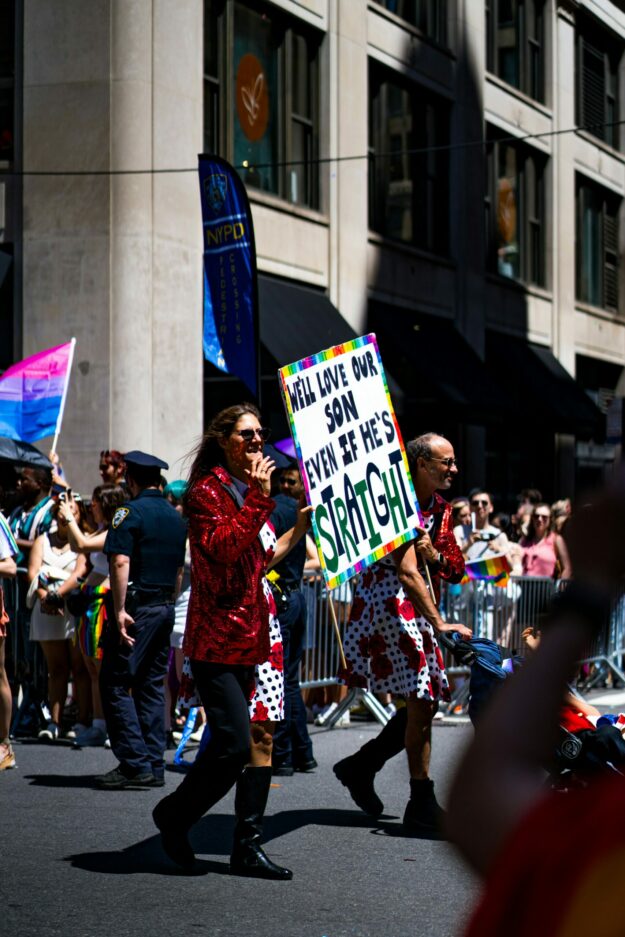
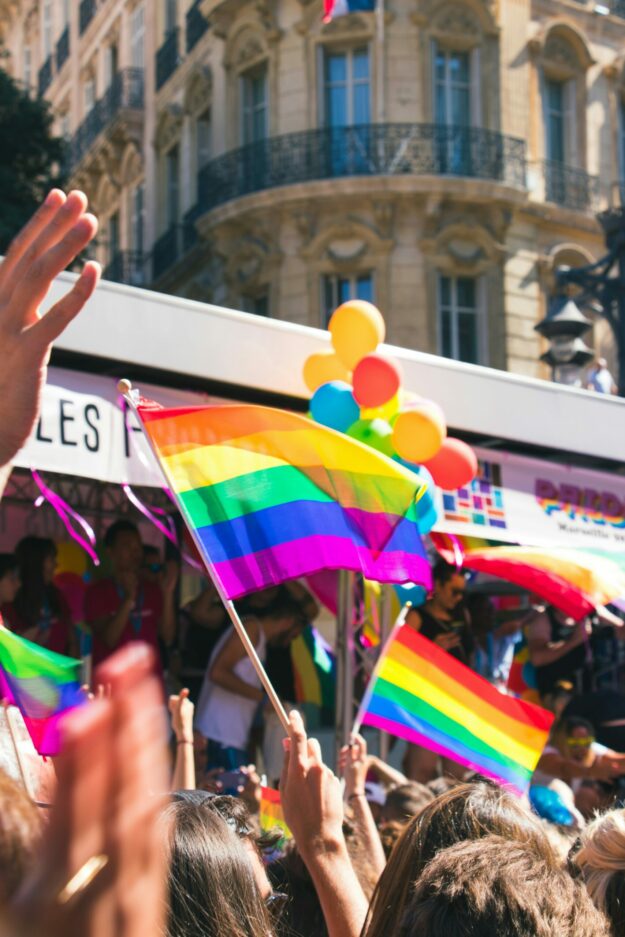
Participatory & Experiential Campaigning Experiential and participatory tactics invite people to feel, act and reflect. From in-person live acting to Virtual Reality, creating moments for observation, conversation and participation, engages people in a personal way. These tactics help campaigns break out of their bubbles, make values more tangible, and create emotional connections that last beyond…

Bypassing censorship

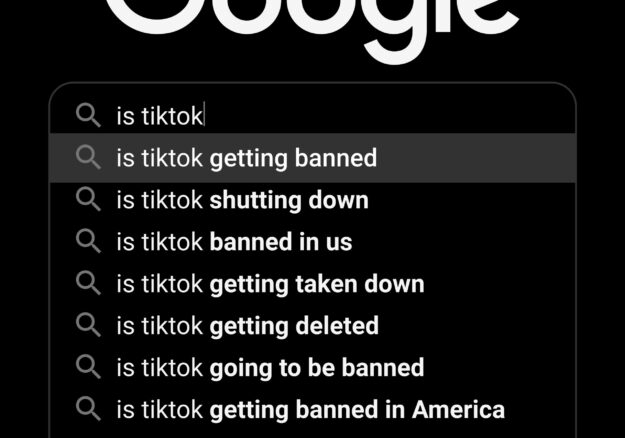
Bypassing censorship Creative strategies to get your message heard despite bans. Across the globe, governments are increasingly using censorship, online and offline, to control political dissent and civil disobedience, especially when it comes to LGBTI rights. In these hostile contexts, where speaking out can lead to surveillance, violence, or criminalisation, standard forms of protest can…

Reclaiming the negative

Reclaiming the negative: when to confront, when to reframe, and how to shift public understanding When faced with harmful speech, for instance, slurs or dehumanising language, our instinct is often to respond directly, to call out false accusations and set the record straight.  Sometimes this works; other times, it backfires.  Research shows our brains are…

Dance to move people into action

Dance to move people into action When we think about campaigning, we tend to picture petitions, protests, and policy papers. But dance and movement are practical tools of resistance and action. Long before hashtags and lobbying toolkits, many communities used rhythm to send messages, bring people together and transform public spaces into places fighting for…

Children Leading Change

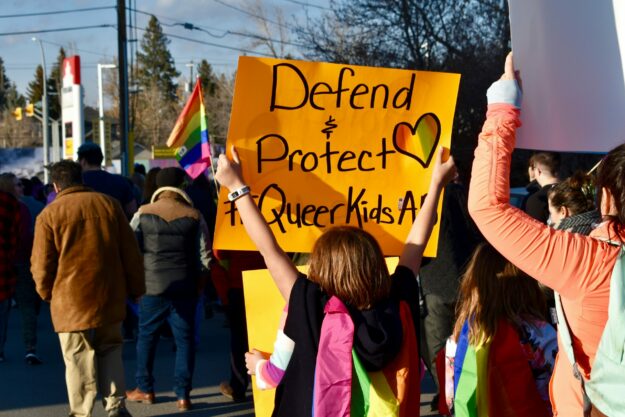
Children Leading Change Children play a central and active role in advancing human rights movements worldwide, mobilising their peers and organising to hold leaders accountable. Just think of how much activists such as Xiuhtezcatl Roske-Martinez, Genesis Butler, Malala Yousafzai and Greta Thunberg, among many others, have achieved while growing up! Yet, despite their leadership in…

Boycotting for Impact

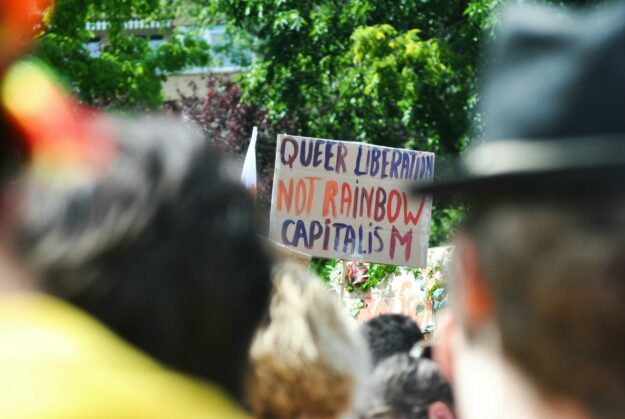
Boycotting for Impact Boycotting is a powerful organising tool for enacting sociopolitical change. It can take many forms, from avoiding purchases from specific brands to refusing to participate in events funded by corporations whose values conflict with your own. Boycotts express disapproval, raise awareness, and put pressure on organisations and companies to change. Where we…