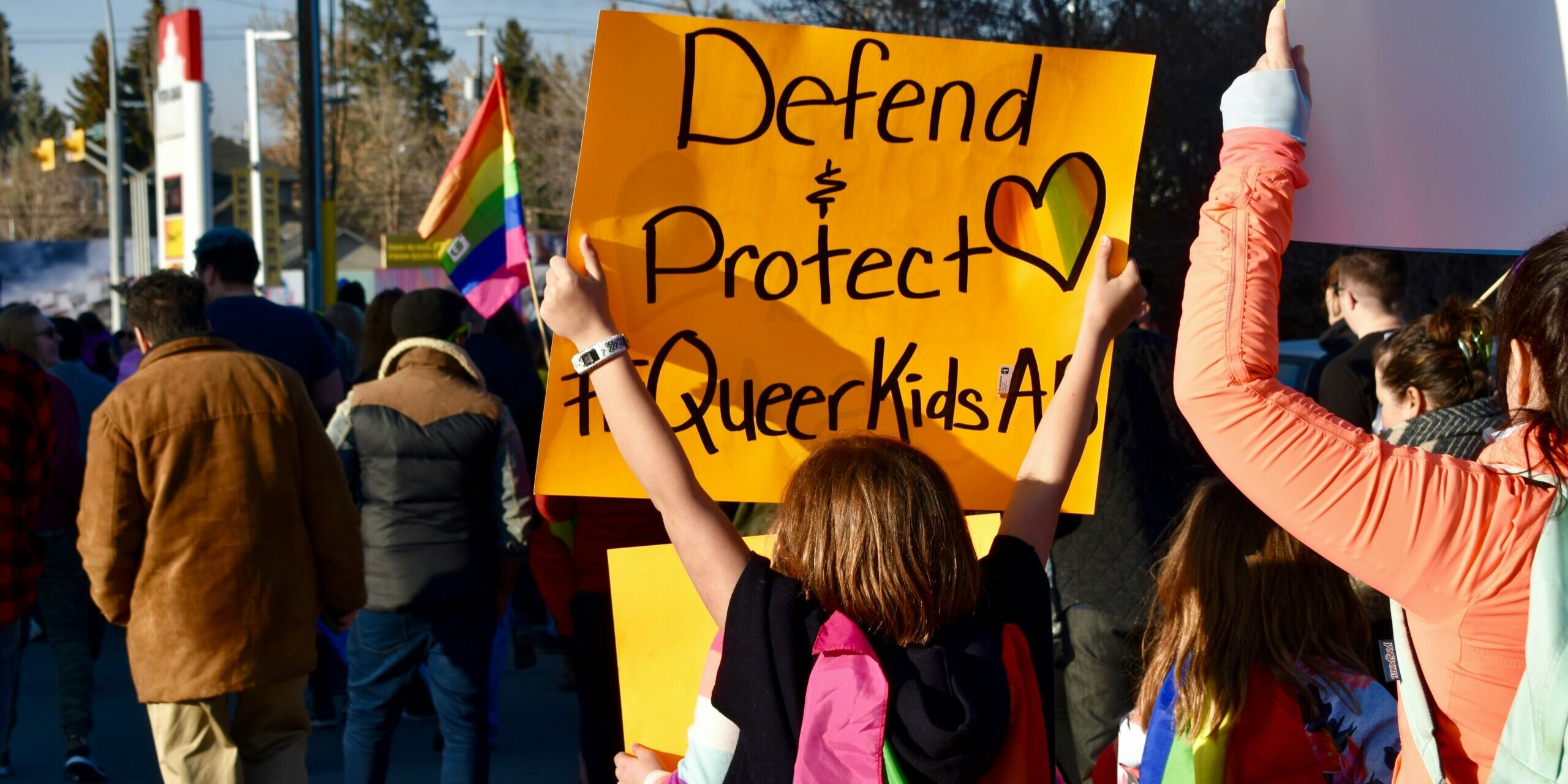
Children Leading Change
Children play a central and active role in advancing human rights movements worldwide, mobilising their peers and organising to hold leaders accountable. Just think of how much activists such as Xiuhtezcatl Roske-Martinez, Genesis Butler, Malala Yousafzai and Greta Thunberg, among many others, have achieved while growing up!
Yet, despite their leadership in major movements like Fridays for Future and Rise Up, children and young people are often excluded from decision-making and denied access to legal aid, funding, and protections that older activists receive.
Children activists often face barriers from adults who see them as vulnerable or incapable, fearing activism is unsafe or beyond their capacity. This mindset limits children’s ability to engage meaningfully in social and political change.
Age should never be a barrier. Involving children meaningfully means providing opportunities for them to be active participants in your campaigns and influence the issues that affect them most. Through protests, creative expression, digital engagement, or community advocacy, children build stronger, more inclusive movements and create meaningful change both today and for generations to come.
Tacticts to explore
Shift to co-creation and active participation
Children are experts on their own lives; recognise them as equal agents of change, not just beneficiaries. Work with children on the issues most relevant to them, creating programmes that value their insights and challenge internal biases.
This means treating children as co-creators in campaign development, research, and decision-making, creating inclusive spaces and methodologies where they can feel safe and valued for their contribution. As a first step, you can look at mapping the barriers that prevent them from participation and consider how to remove them. Providing time and space for meaningful engagement from the very start of project design is a good starting point to make processes more collaborative and transparent. For some examples of how co-creation can happen in practice, take a look at Alexandra Primary School students who took action on food poverty, influencing local policy and food bank drives. Roger Hart’s Ladder of Participation is also a useful guide to understand the difference between tokenism and genuine involvement. Use it to assess what level of participation your organisation is currently offering to children and young people, so that you can create opportunities for children to gradually move up the participation ladder.
Campaigning with Children
Involve children in your campaigns to include their perspectives and highlight the issues affecting them the most. Campaigning with children not only engages audiences effectively but also tends to make it easier for people to see things from a new perspective.
When running a campaign with children, it’s important to make their voices visible in safe and meaningful ways. Keep the purpose clear, and design activities that are simple, safe, and engaging. Stories, creative media, and interactive activities can help bring their experiences to life. But be ready for criticism. If negative reactions come up, respond constructively and use them as a chance to strengthen your message.
Mentorship and Capacity Building
Organisations should equip children and young people with the skills, knowledge, and confidence they need to take an active role in their projects. This includes offering human rights education, leadership training, and opportunities to gain experience in decision-making and governance. Fair recognition for their input is also essential. Children’s contributions of time, energy, and ideas should be fairly compensated, and organisations should create clear pathways to leadership roles across programmes and governance structures. Provide a safe and healthy space to constructively challenge attitudes and behaviours that are unacceptable as part of group activities or events. If you’d like to see some examples for this tactic, Amnesty International provides free teaching materials for children aged 5–18, covering topics like gender equality, climate justice, and freedom of expression. Their resources include lesson plans, activities, and posters to help children learn more about their rights and how to defend them.
Get inspired
- In Moldova, GENDERDOC-M ran a campaign to help teachers better support LGBT students, but it quickly sparked backlash and misinformation. In response, they launched “LGBT children exist”, using creative tactics like public art, surveys, and media to shift the narrative. Despite resistance, the campaigns raised visibility and sparked much-needed public discussion.
- In Russia, Sasha Kazantseva asked LGBT adults to share childhood photos with short stories about their younger selves. The idea showed that LGBT kids have always existed and helped young people feel less alone. The campaign spread quickly and got media attention because it was simple and powerful.
- Pink Armenia created a powerful video to send a loving and clear message to parents: children deserve acceptance just as they are, no matter their sexuality or gender.
Check out this video by the Human Rights Campaign (HRC) campaigning for trans kids’ inclusion in sports teams. Rebekah, a 14-year-old girl who loves school, reading, hanging out with her friends and playing field hockey, talks about the impact of lawmakers across the country trying to pass laws that would prohibit her from playing sports with other girls.
Put this strategy into action
- Strengthen Intersectional Approaches: Recognise the diverse identities and needs of children across contexts. Tailor strategies to empower all young people, respecting differences in gender, culture, ability, and background.
- Build intergenerational trust: Build understanding and collaboration between generations to create supportive environments where children’s voices are truly valued. The “ecology of participation”, is a good framework for intergenerational relationships, supportive networks, and diverse modes of participation (from formal bodies to the right to protest) co-exist.
- Invest in Safeguarding: Balancing protection and participation is key. Rather than restricting agency, equip children and young people with knowledge and support. Be clear about the emotional risks of activism and encourage child activists to prioritise wellbeing. Meaningful safeguarding is about providing safe spaces for children, where they can feel confident in sharing perspectives.
- Annual Budgeting: Consider safeguarding as part of the annual budget planning for activities when working with children and young people. Be ready to invest time and resources in safeguarding training for staff too.