Boycotting for Impact
Boycotting is a powerful organising tool for enacting sociopolitical change. It can take many forms, from avoiding purchases from specific brands to refusing to participate in events funded by corporations whose values conflict with your own.
Boycotts express disapproval, raise awareness, and put pressure on organisations and companies to change. Where we choose to spend our money and where we refuse to spend it shape what is funded, amplified, or allowed to continue. This is why our financial choices matter – how we use our money sends a clear political message and can shift the balance of power.
Boycotts are particularly relevant when an entity engages in clearly harmful behaviour such as human rights violations, discriminatory policies, environmental destruction, or actions that undermine health and safety. They are most impactful when there is public outrage and a clear alignment between the boycott and the organisation’s values, although they have a lot of weight even in situations that are a bit more complex.
Tacticts to explore
Primary and Secondary Boycotts
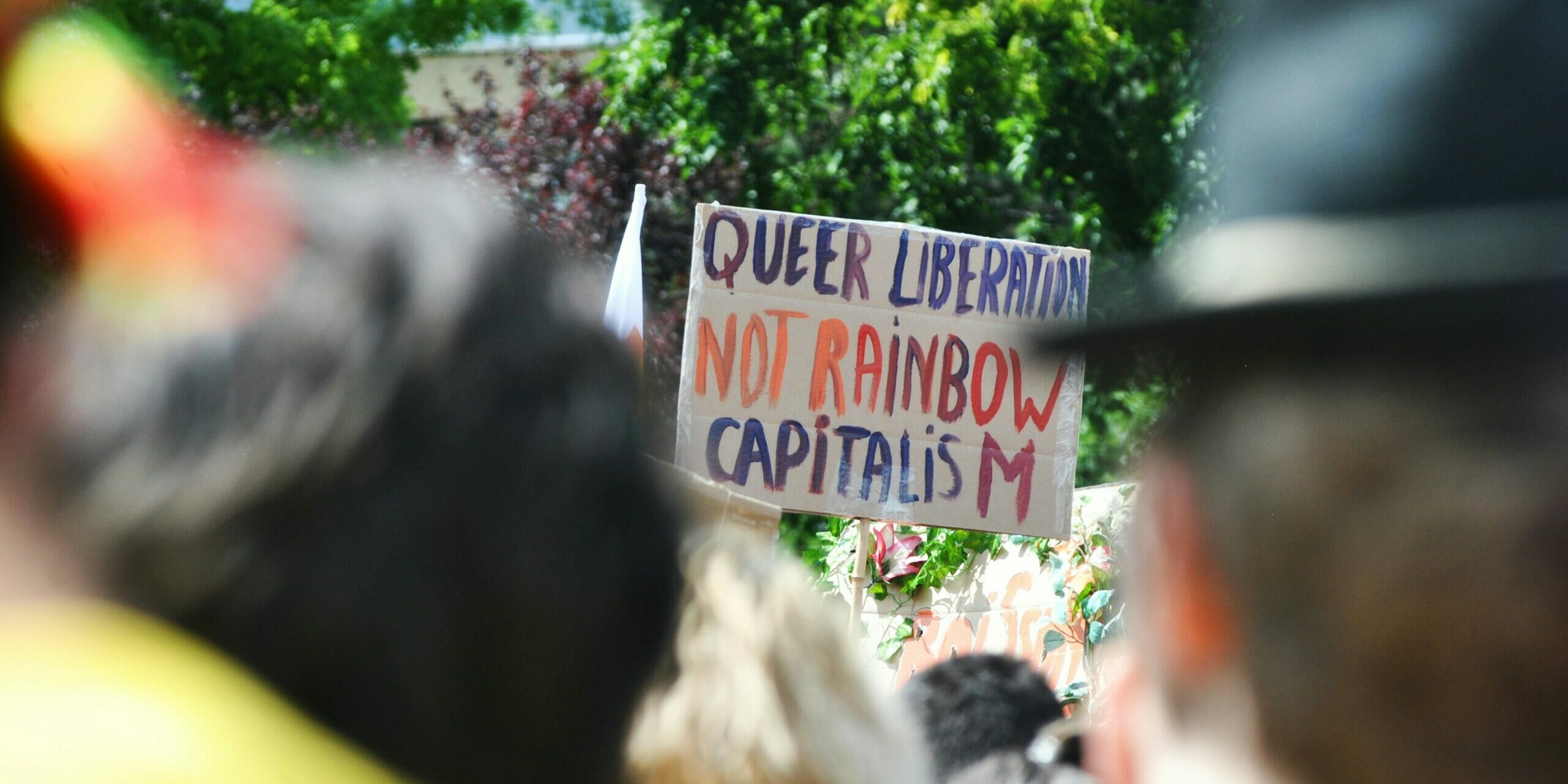
Organisations can lead two types of boycotts. A primary boycott focuses on stopping purchases of goods or services from individuals and companies whose policies conflict with human rights or the organisation’s values, such as boycotting J.K. Rowlings books because of the author’s transphobic views. A secondary boycott targets retailers or intermediaries that sell products or services connected to the company being boycotted. For instance, refusing to purchase from a restaurant that serves a beverage brand known for discriminatory policies qualifies as a secondary boycott, or boycotting a Pride event receiving funding from organisations supporting genocides.
Primary and secondary boycotts have proven effective in multiple contexts. The Boycott, Divestment, and Sanctions movement is one of the most well-known of this kind, for its successful boycott approaches, with universities, cultural institutions, and consumers rejecting products connected to human rights violations in Palestine.
Get inspired
Boycotts go well beyond products and services and include boycotting specific actions, events and civic participation. No Pride in Genocide has been driving many of this type of boycotts against pinkwashing, and we have seen this also in campaigns calling to boycott participation at certain events like Eurovision and the ‘Safe To Be Me’ international LGBTIQ conference.
Boycotting can also look like anti-referendum campaigns, like encouraging people to cast invalid votes at a key referendum. The Stupid Questions Get Clever Answers campaign for LGBTIQ parenting rights in Hungary, and ACCEPT’s referendum boycott for equal marriage rights in Romania, are great examples of how making the opposition fail is a win. Even in challenging political environments, targeted actions can shift the most complex political landscape, and create meaningful impact.

Put this strategy into action
- Be clear on the impact of boycotting: Any boycott needs to have clear guidance and a clearly explained impact. Provide clear information about how supporting certain events, products or companies contributes to harmful practices, and what can be done about it. Show what it means if people take action through boycotting: sharing personal stories and examples of past successes gives your audience motivation and helps them make informed decisions.
- Check for negative side effects: Boycotts, like other forms of sanctions, can have many negative effects, for example cutting “inside” opponents from vital sources of moral and financial support, stigmatising people when the real focus should be on their governance, etc. Be sure that your strategy only hits the right targets and make sure there is no “collateral” damage.
- Be intentional: Although it is an inspiring and effective approach, boycotting as a campaign strategy should be used sparingly, as it’s not always the most appropriate strategy. Make sure that you only choose it as a tactic when it can be particularly impactful. Focus on a very specific cause and target for your boycott where there is a clear and direct role in the issue, to increase the likelihood of success.
- Consider legal aspects: Before initiating a boycott, ensure it can be conducted within the legal requirements of your organisation, and evaluate whether the entity you wish to boycott can take legal action against you and whether you are prepared to tackle that situation.