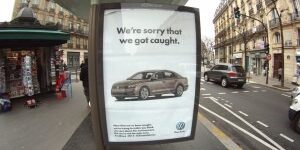
As street artist Banksy said, “Bus stops are much more useful for art than museums.” Brandalism is a tactic that uses existing brands to vandalise them by associating them with negative messages.
The Sochi Winter Olympics were the focus of LGBT campaigns by many groups. McDonald’s was one of the Olympic sponsors and found their marketing campaign #cheerstosochi hijacked by campaigners dissatisfied by its silence and continued sponsorship of a tournament in Russia, where a crackdown on the LGBT community had been building momentum. This sort of campaign works because it’s using a company’s own energy and resources to highlight your issue. It can appeal to the media and can reach a different audience.


Coca-Cola was targeted for the same reasons as McDonald’s, but in this tactic, All Out used a huge ad bus to ask tough questions of Coca-Cola right outside its head office. Using brands can bring an issue to the fore outside of its typical political discussions and breathe fresh life into your campaign messaging. Plus, as we know, money talks!
CLIMATE CHANGE SUMMIT
During the UN Climate Change summit in Paris in November 2015, COP 21, activists against greenwashing mobilised for a very visible campaign. Over 600 artworks critiquing the corporate takeover of the COP21 climate talks were installed in advertising spaces across Paris ahead of the United Nations summit.
The Brandalism project has worked with Parisians to insert unauthorised artworks across the city, aiming to highlight the links between advertising, consumerism, fossil fuel dependency, and climate change. Over 80 renowned artists from 19 countries created artworks.
You can also hear more about the Brandalism campaign in its founders’ TED Talk. Forbes also wrote an interesting analysis of the tactic’s strength.
Indian rapper Sofia Anwar wrote a rap based on Nicki Minaj’s Anaconda to draw attention to Unilever’s lack of action regarding mercury poisoning of a river and local workers. The song became a global phenomenon and focused the mind of Unilever’s CEO, eliciting a direct response. Anwar explains why she chose the song: “After working in an ad agency, I developed a better understanding of how to use popular culture to reach a wider audience, so for Kodaikanal Won’t I decided to piggyback on a popular song like Anaconda. It would attract Nicki Minaj fans and get the attention of those who hate her song.” The video was filmed in just a day with volunteers who were passionate about the project and had a great impact.
The campaign targeted major corporations with investments in Myanmar to call out the violence against the Rohingya Muslim community. The campaigners recognised that investments in Myanmar were crucial to getting politicians and others to take steps to tackle the crisis. Huge companies such as Nestle and Unilever were put on the spot for their stance and asked publicly through, as the campaign lead describes it, ‘outreach not pressure’. It’s an interesting approach to brand targeting, whichaims to bringg consensus rather than shame as the first step.